

The winter is a time when everyone’s skin starts to flare up. The dryness and cold sucks the skin of moisture and leaves skin flakey and dry, sometimes even a little irritated. With this knowledge, I was not surprised when winter rolled along and my face became flaky and dry, but when I went to China, the conditions worsened. A rash developed on my arms and legs, and my face swelled up as if I had been bitten by a giant mosquito. Beyond that, the texture of my skin completely changed. At first, I blamed it on the extreme cold of the winters in Beijing, but I soon realized it was more than just that. The severe air pollution  indoors and outdoors combined with being in a new environment put my skin into a state of shock. So, if this happened to my skin after only days of exposure, what does prolonged exposure to this kind of environment do to one’s skin?
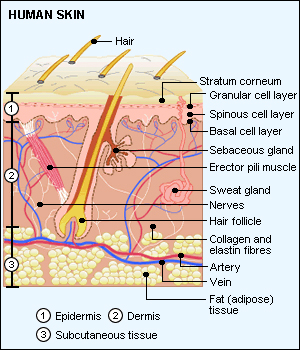 1Before we investigate the results of prolonged exposure to pollution, we must understand human skin—the largest organ of our bodies! Skin is an amazing organ that encapsulates all of our body. It acts as a protective cover for the rest of our body that would essentially evaporate without it.2 It consists of three distinct layers. Starting from the inside, the layers are the subcutaneous tissue, dermis, and epidermis. The most affected by air pollution would be the layer that gets direct contact, the epidermis. This consists of another set of layers, where the newest skin is on the inside, and the old skin that is ready to flake off is on the outside. These layers last about two weeks before they fall off and are replaced.3 As one can see, this protective cover over our bodies is quite resilient and self-replacing. However, skin cannot defend itself against everything.
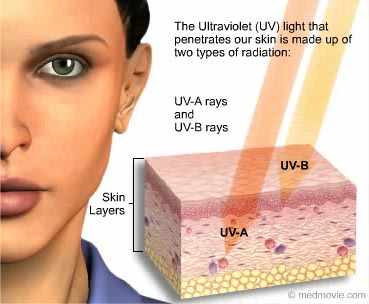
The agent that affects human skin the most on a regular basis is ultraviolet rays (UV Rays). Some air pollutants have been known to deplete the ozone, allowing for more UV rays to reach earth. The effects of sunlight on skin have been very well documented.4 Unprotected extended exposure to sun can cause freckles, age/liver spots and pigmentation, wrinkles, other signs of premature skin aging, as well as skin cancer. These are all a result of the possible damage of the ozone and the subsequent UV rays that are able to attack our skin. Surprisingly, exposure to ozone in the atmosphere—one of the main ingredients in smog —could cause more serious problems. “Exposure to ozone increases your risk for rashes and inflammatory skin diseases like eczema.”5
Ozone essentially strips the skin’s top layer (epidermis) of vitamin E.6 Without vitamin E, the skin’s self-repair system is hindered, thus causing chronic dryness, wrinkles, and premature aging.7 This would explain the symptoms I encountered during my trip to China . The rash would be a sign of temporary eczema which could have potentially become permanent without treatment, and the noticeable texture difference is a sign of aging. Although these are only external problems, the presence of pollution and UV rays may create something much worse.
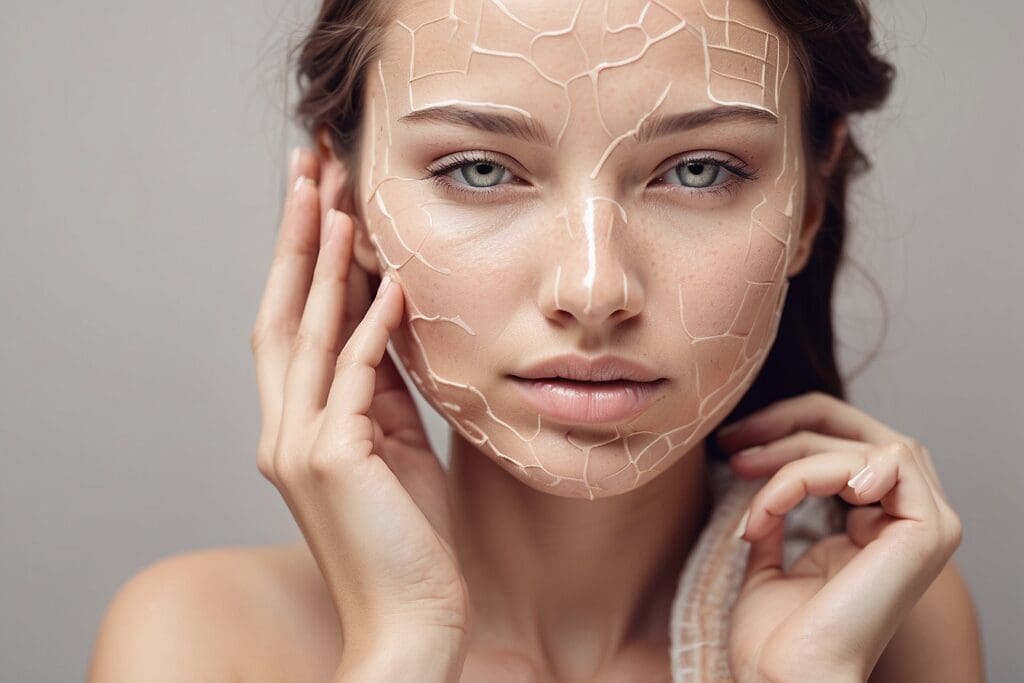
When smog, soot , particles, and other pollutants come into contact with these ultraviolet rays, free radicals are created. Free radicals are “highly charged oxygen molecules that are harmful to the skin and the body.”8 These free radicals can be absorbed by the skin to cause deeper problems, such as Alzheimer’s and Parkinson’s diseases,9 by attacking cells and DNA. Free radicals are essentially the cause of aging, not only in the skin, but also in other human organs.10
 11
11
Pollution is something almost unavoidable in most developed human habitats, but there are ways to protect your skin. To reduce the effects of pollution on your skin, make sure to cleanse yourself thoroughly daily, removing all makeup as soon as you can. Wear sunscreen daily to fight UV rays and do not stay at pools or beaches for an extended amount of time because those areas will dry out your skin. Finally, it is also important to keep the inside of your body clean, so make sure to stay hydrated and eat many fruits and vegetables to detoxify your body!12 Remember that skin protects your whole body from the harmful and dangerous surroundings. Protect it from pollution to ensure it can protect you.